He Whakaputanga o te Rangatiratanga o Nu Tireni, the Declaration of Independence of New Zealand, signed by northern Māori chiefs.
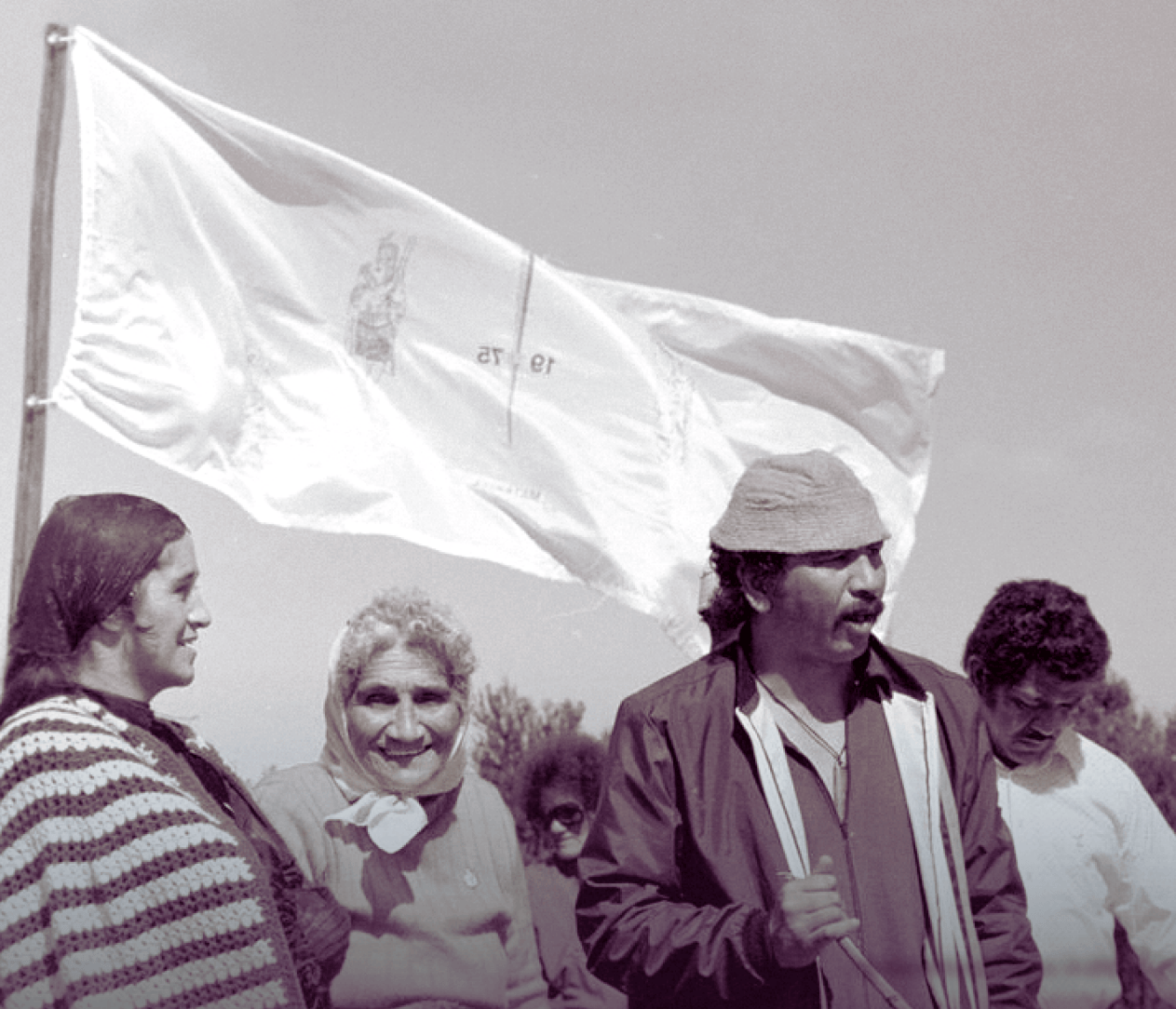
The origins of the Ngātiwai Trust Board can be traced back to the establishment of the Ngātiwai Tribal Committee, which was made up of hapū-based representatives from across the Ngātiwai rohe.
In 1966, the Tribal Committee became known as the Ngātiwai ki Whangaruru Board. It was established to hold tribal lands and to support the development of the iwi.
This period coincided with a time of rising Māori activism across Aotearoa, as movements for land rights and cultural revitalisation gained strength. Ngātiwai leaders were active in this national awakening, standing for the protection of whenua and the restoration of mana motuhake.
By 1984, this vision took shape as the Ngātiwai Trust Board, reflecting an iwi-wide mandate and a commitment to collective representation across the Ngātiwai rohe.
The Board has continued to evolve, taking on a leadership role in key national and regional matters affecting our iwi.
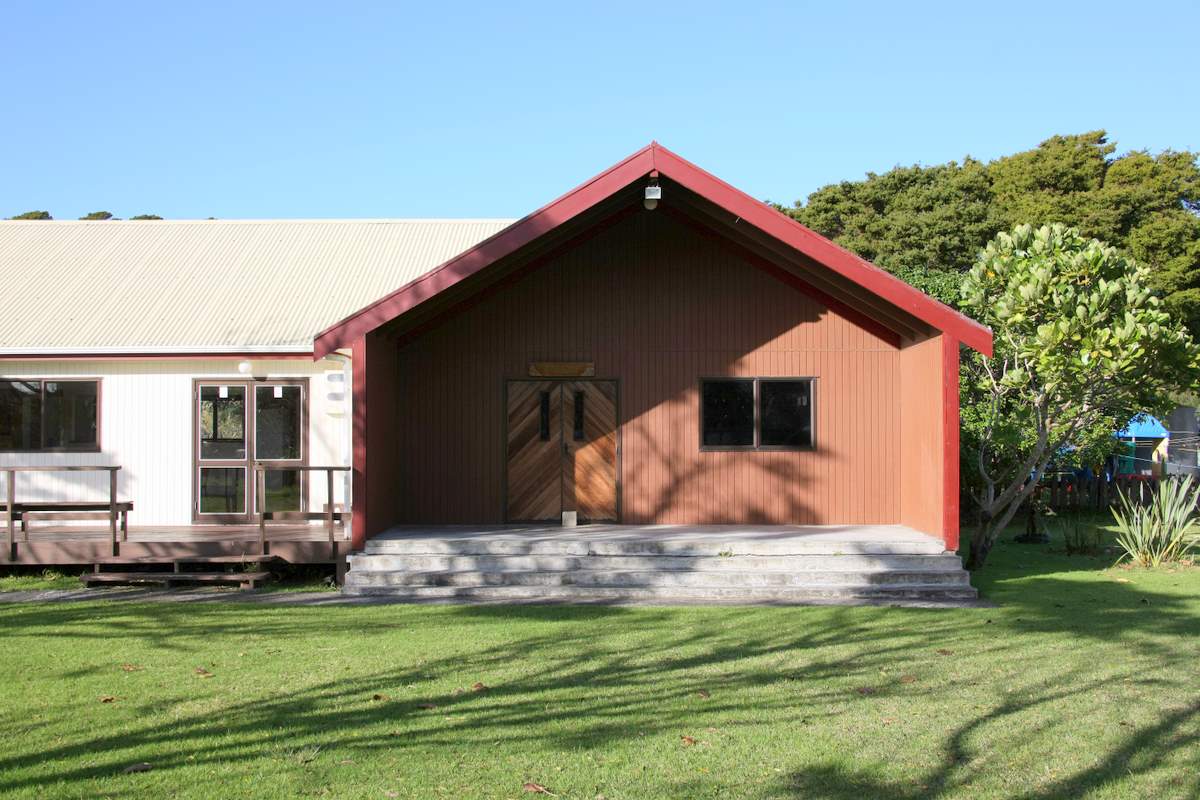
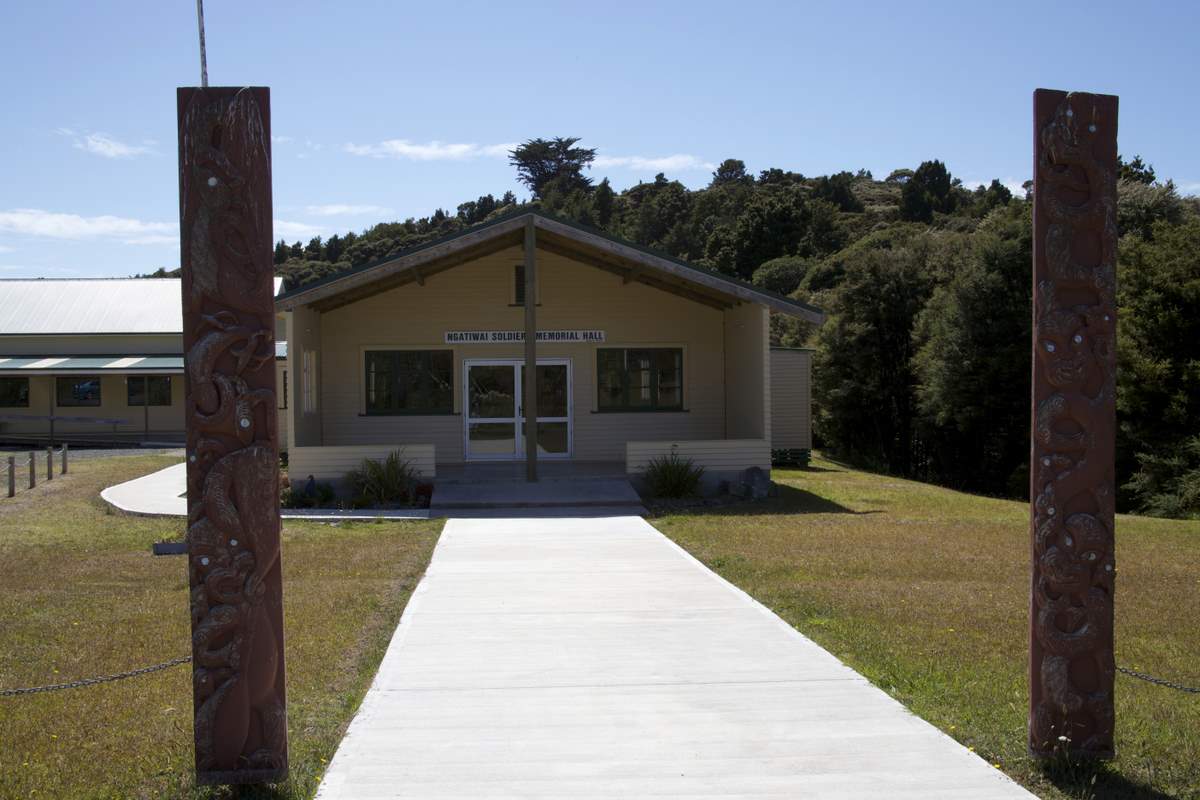
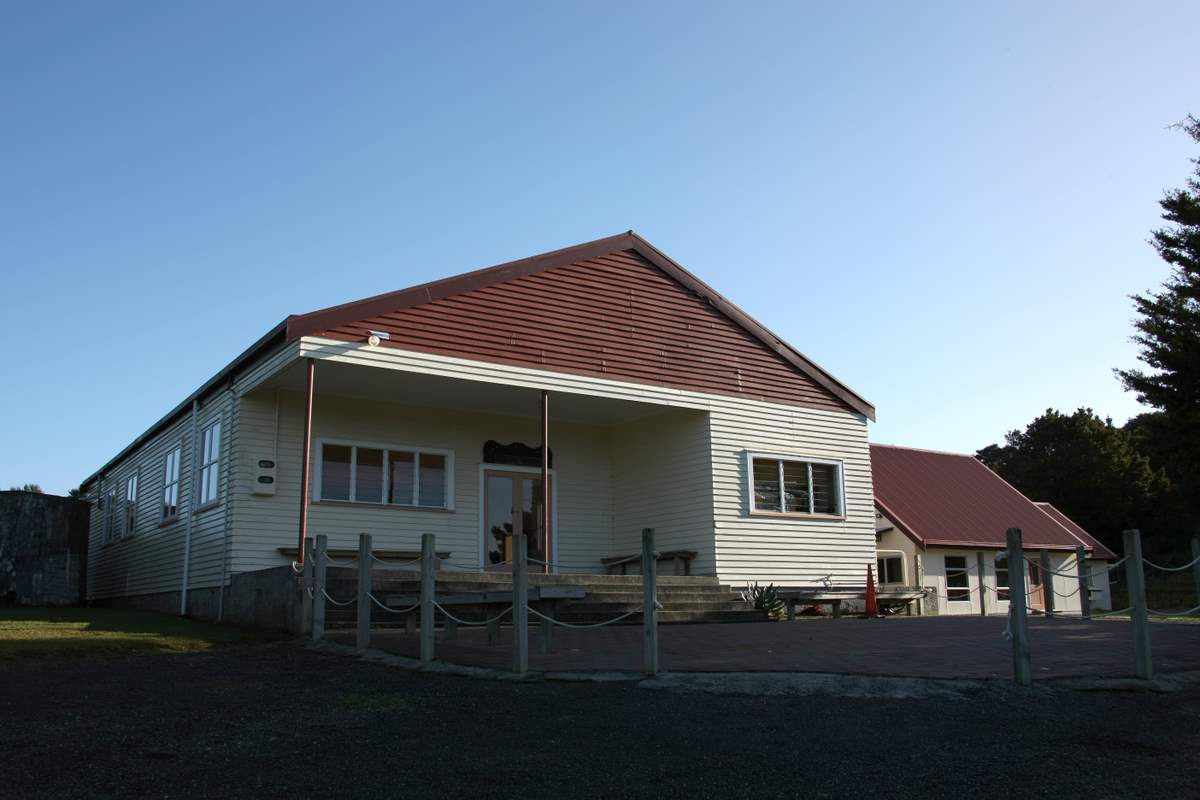
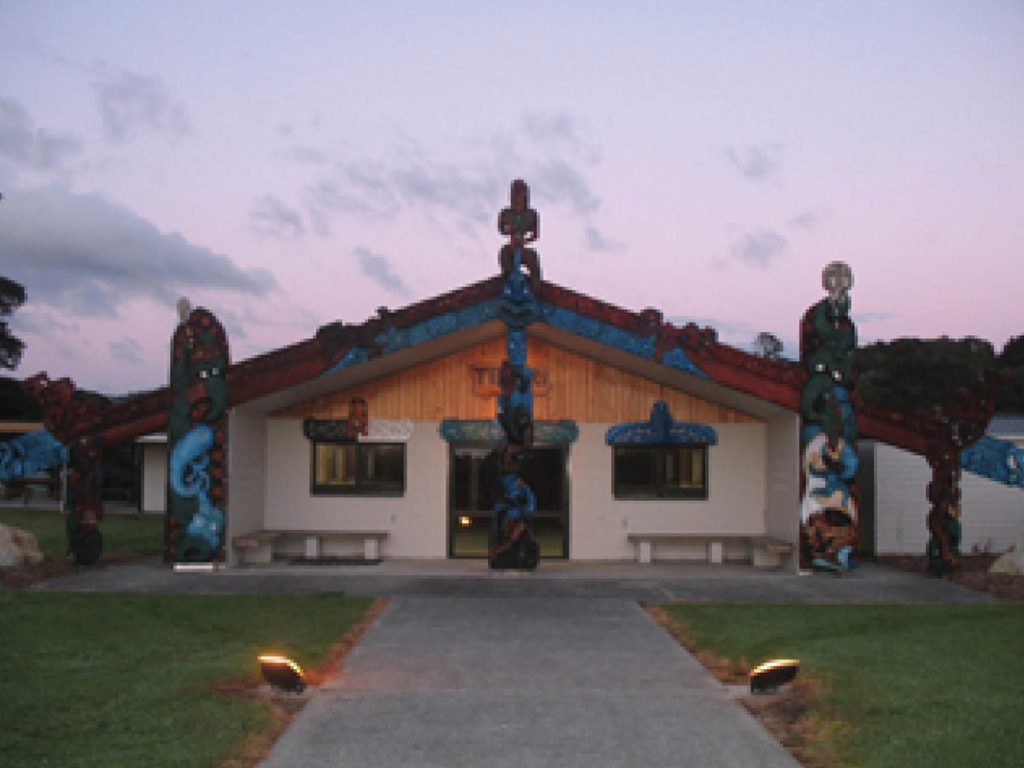
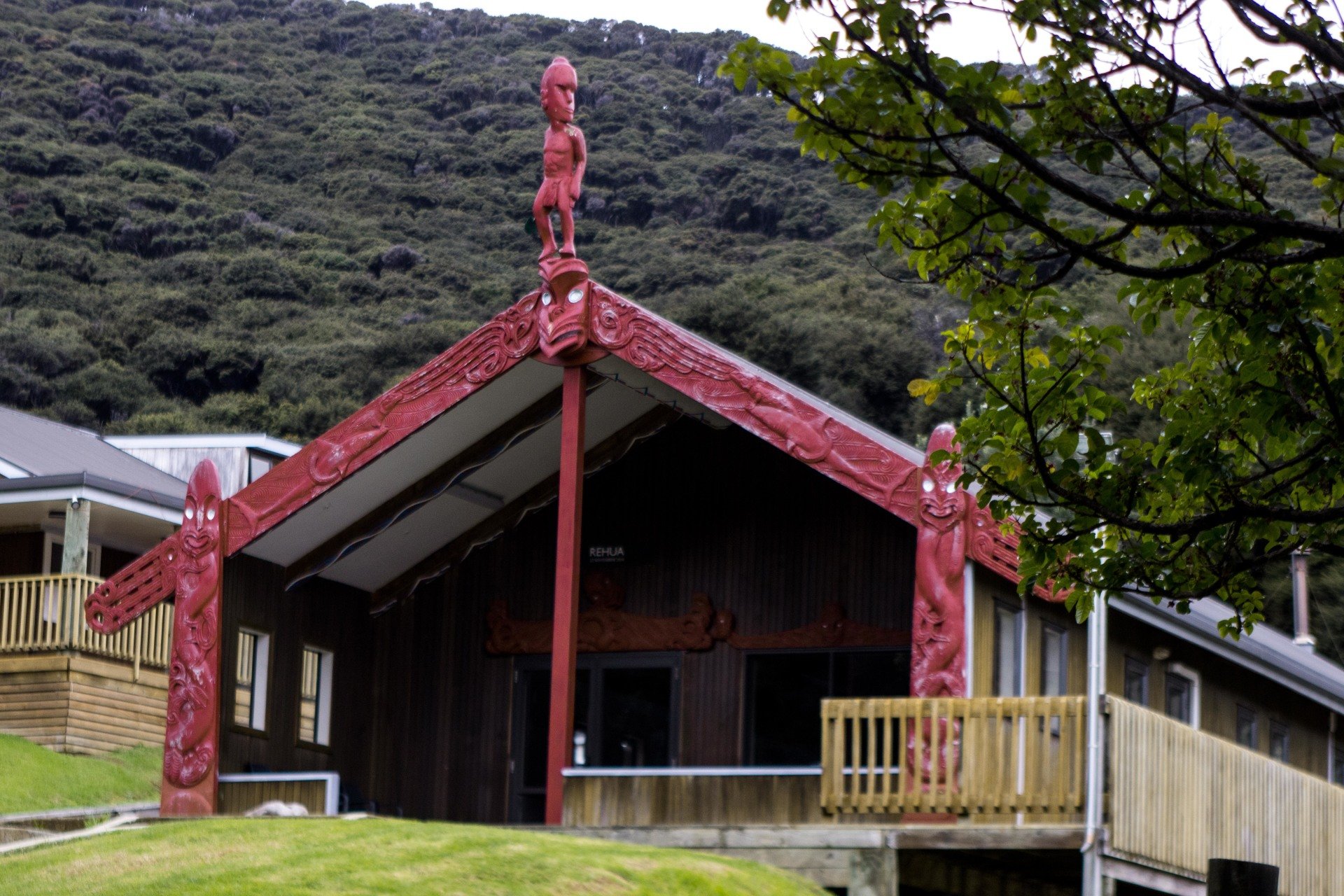
Today, the Ngātiwai Trust Board represents marae communities across the Ngātiwai Rohe, including Tūparehuia, Ngaiotonga, Punaruku, Otetao, Ōakura, Mōkau, Whananaki, Matapōuri, Ngunguru, Pātaua, Takahiwai, Omaha, Kawa, and Motairehe.
Guided by Ngā Tikitiki o Tū Te Mahurangi, our strategic intent, the Ngātiwai Trust Board continues to uphold its mandate as the iwi’s representative and organisational body. We remain committed to protecting and advancing the interests of Ngātiwai across cultural, environmental, social, and economic domains, ensuring the enduring wellbeing and prosperity of our people.
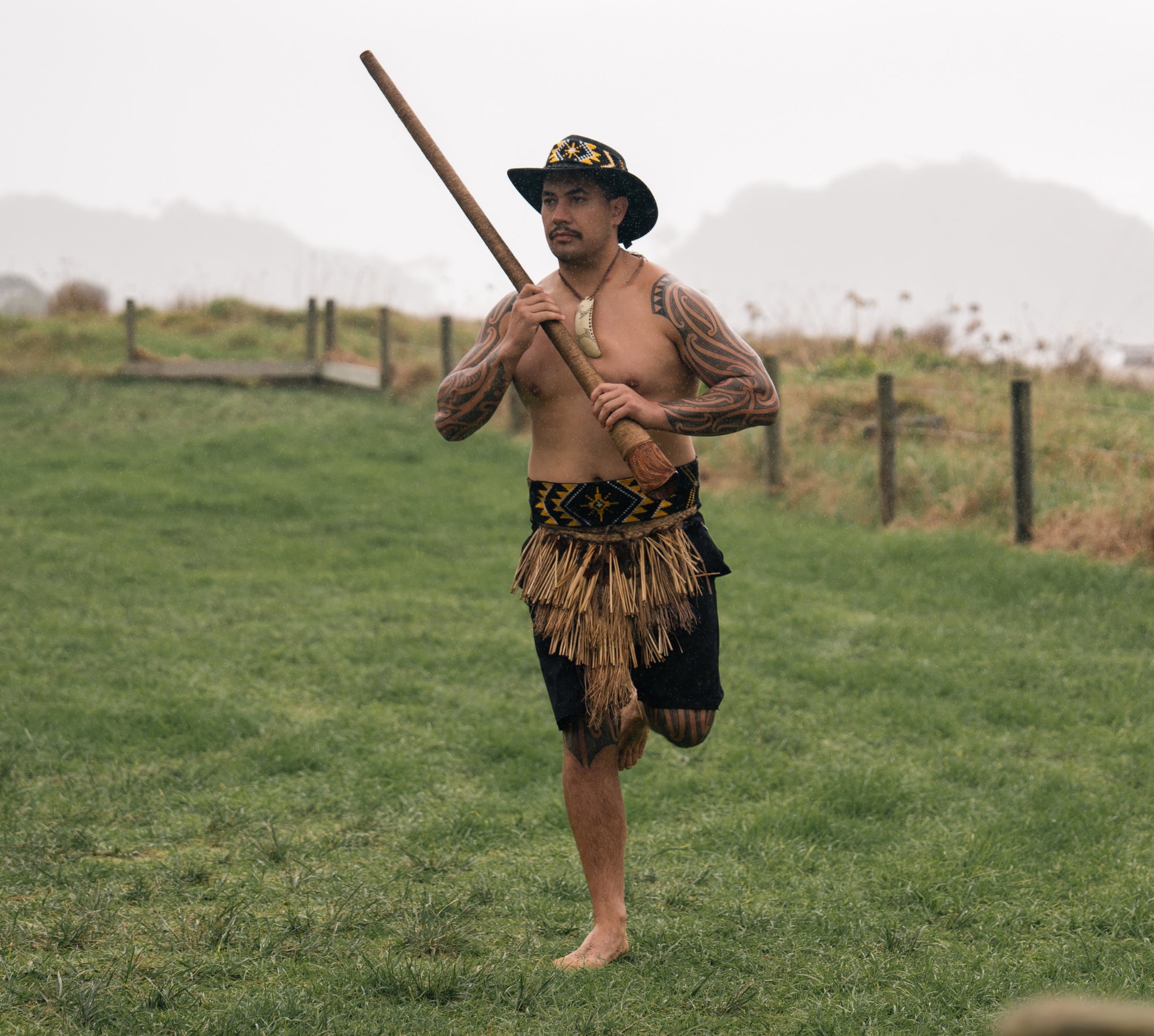
Ngātiwai traces its whakapapa to the earliest tūpuna who discovered and settled the coastal lands and islands of the eastern seaboard o Te Tai Tokerau, maintaining a distinct and unbroken lineage to Manaia and his descendant Manaia II. This whakapapa connection provides Ngātiwai with not only unity but also a unique and enduring tribal identity.
The name Ngātiwai, which eventually subsumed the older name Ngāti Manaia, reflects the iwi's deep and continuous association with the moana and coastal environments.
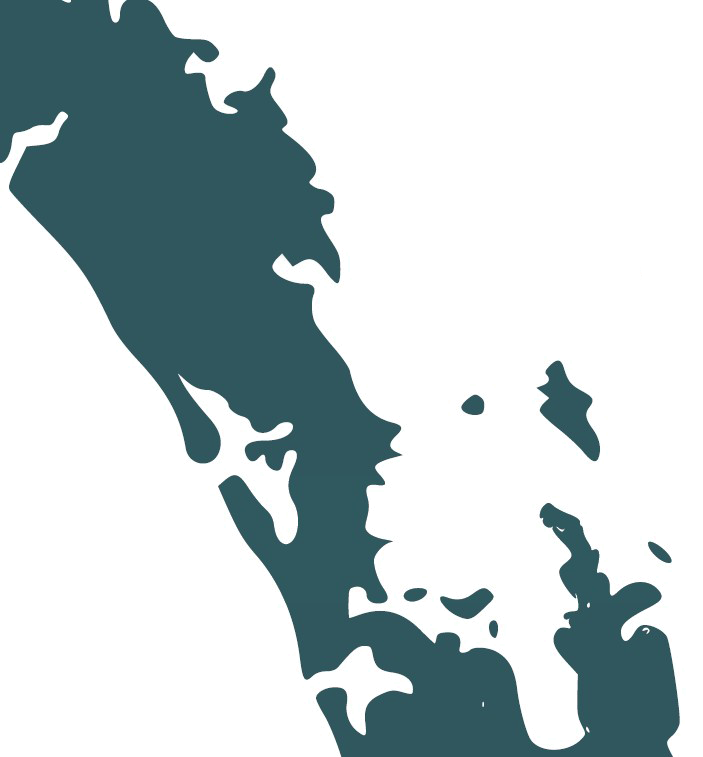
This maritime identity is at the heart of what it means to be Ngātiwai. Our people have long occupied and maintained ahi kā along the eastern coastline of Te Tai Tokerau for generations. Our rohe stretches from Rākaumangamanga (Cape Brett) in the north down to Mahurangi in the south. encompassing the many offshore islands that form Ngā Poito o Te Kupenga o Toi Te Huatahi.
These islands include Motukōkako (Hole in the Rock), Rimuriki, Tawhitirahi and Aorangi (Poor Knights), the Marotiri Islands, Taranga (Hen and Chickens), Tuturu (Sail Rock), Pokohinu and Motukino (Mokohinau Islands), Te Hauturu-o-Toi (Little Barrier), Aotea (Great Barrier Island), Te Mau Tohora-o-Manaia (Motuora Island) off Mahurangi, and Te Motu Tohora at the end of Aotea. All of these places are part of our ancestral footprint.
Ngātiwai identity is inseparable from these lands and waters — He Tangata Moana, He Tangata Whenua, He Mana Moana, He Mana Tangata — reflecting our connection to both the moana and the whenua.
Today, the many hapū of Ngātiwai embody this deep continuity and enduring connection. Among them are hapū who trace their primary identity to the descendants of Manaia I and II, alongside others who maintain whakapapa ties to multiple iwi while still holding strong affiliations with Ngātiwai united in its whakapapa, distinct in its identity, and steadfast in its connection to the land and sea.

The Board comprises 14 trustees, each elected by their respective marae for a three-year term. Trustees meet regularly to consider kaupapa that affect the iwi, working collectively to set strategic direction, manage resources responsibly, and ensure that policies and processes uphold Ngātiwai tikanga and aspirations.
Guided by the principles of Ngātiwai Manawa Tuatini (Fearless and Dynamic), Ngātiwai Manawa Tōpū (United), Ngātiwai Manawa Taurikura (Prosperous) and Ngātiwai Manawa Kaiāia (Strategic) our governance approach keeps the voices of whānau, hapū, and marae at the heart of decision-making, shaping a strong and prosperous future for Ngātiwai.
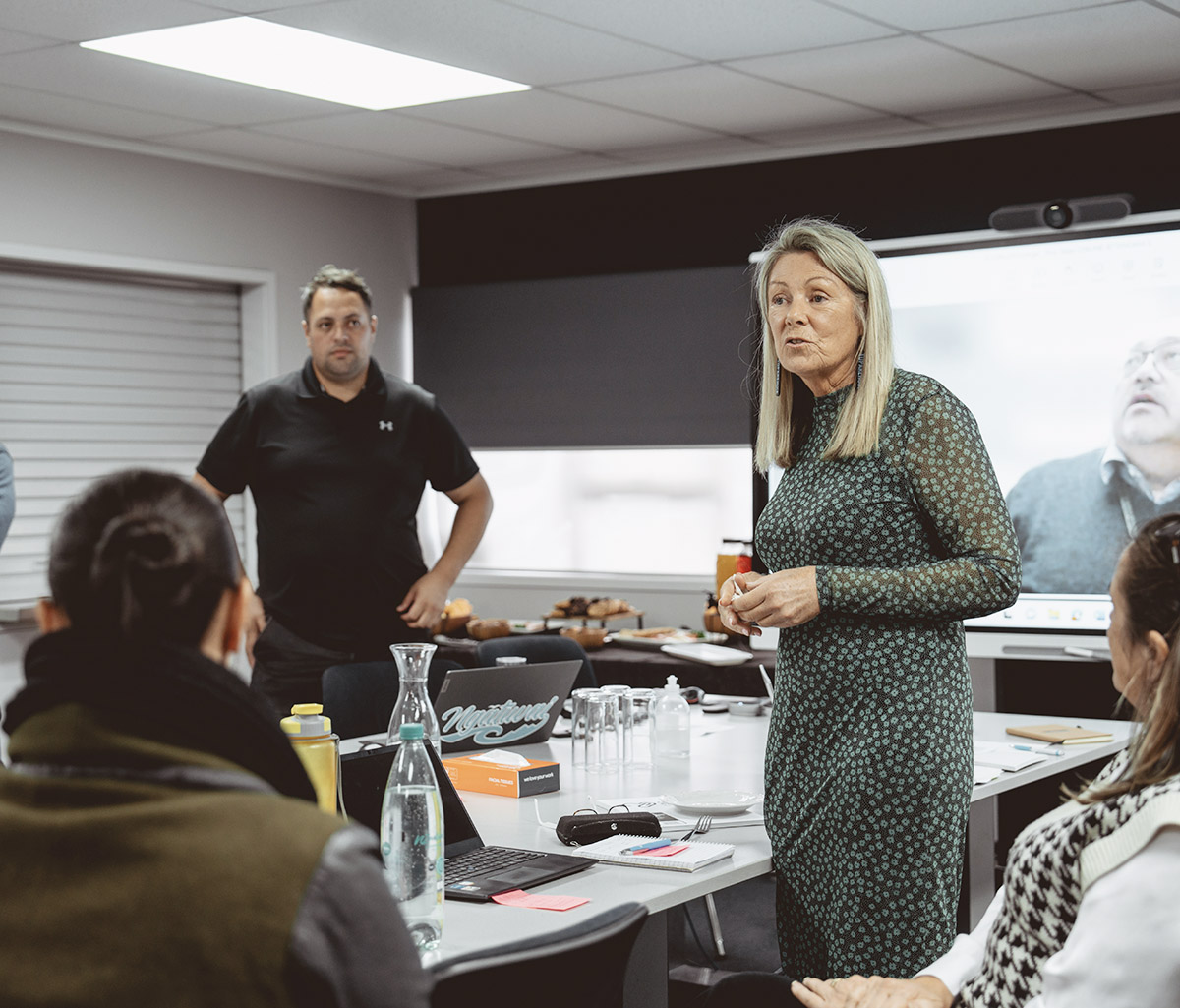
Our kaimahi carry out the day-to-day operations of the Ngātiwai Trust Board, turning strategic direction into action. Each team member brings their skills and deep commitment to serving our iwi, they deliver programmes, provide advice, manage projects, and support our marae, hapū, and whānau.
Working across cultural, environmental, educational, and community kaupapa, our kaimahi bring specialist skills, local knowledge, and a shared passion for protecting and advancing the wellbeing of Ngātiwai. Their mahi ensures that the aspirations set by the Board are realised, and that the needs and voices of our people remain at the centre of everything we do.
Our people are spread across a vast rohe, including coastal and island territories rich in cultural spiritual and historical significance.
Ngatiwai is represented by 14 affliated marae, each with their own whakapapa links and deep connections to whenua, moana, and community.
Click on the Map to see more details about each marae.
Stay informed about the latest news from the Ngātiwai Trust.
Sign up to our newsletter below

%20Day%202%20%20900.jpg)